

Why Gutter Installation Matters in Arkansas
Gutter installation is a vital aspect of property maintenance, particularly in Arkansas. The state experiences a humid subtropical climate, which means heavy rainfall and high humidity throughout much of the year. For property owners in Jonesboro and other Arkansas cities, this climate can lead to water harm if gutters are not appropriately installed or maintained. Gutters support direct rainwater away from the foundation, avoiding concerns like basement flooding, erosion, and structural wear.
In Arkansas, the importance of reliable gutter systems is even more pronounced. Homeowners in cities like Little Rock and Fort Smith understand that a well-installed gutter setup can safeguard their investment and reduce long-term repair costs. The right installation ensures that water is efficiently channeled away from the home, safeguarding both the structure and the surrounding landscape.
Weather patterns in Arkansas can vary, but the general trend of heavy rainfall and seasonal storms makes it essential for homeowners to prioritize gutter installation. Whether you're in Jonesboro or another part of the state, understanding the role of gutters in protecting your home is the first step toward making an informed decision.
Frequent Gutter variants Used in Arkansas
When it comes to gutter installation in Arkansas, there are several common types of gutters accessible. These include segmented and unbroken gutters, each with its own merits. Modular gutters are composed of multiple pieces that are connected together, while seamless gutters are custom-fitted to the home, lowering the chance of breaks.
Elements employed for gutters in Arkansas vary based on the needs of the homeowner. Aluminium is a well-known selection due to its resilience and resistance to rust. Vinyl gutters are another option, providing a easy-care method that is also economical. In Jonesboro and other cities, homeowners frequently choose materials that can withstand the region's weather, guaranteeing long-lasting operation.
The decision of gutter category and component can also relate on the unique needs of the home. For example, homes in locations with significant precipitation may gain from greater gutter sizes or extra drainpipes. Comprehending the distinct alternatives available helps homeowners in Arkansas formulate informed resolutions that correspond with their financial plan and long-term goals.
How Arkansas Climate Affects Gutter Installation
The climate in Arkansas plays a substantial role in the installation and servicing of gutters. The state experiences a humid subtropical climate, characterized by hot summers and mild winters, with regular rainfall throughout the year. This weather pattern means that gutters must be able to manage large volumes of water without clogging or overflowing.
In Jonesboro, for instance, homeowners often face challenges with heavy rain that can overwhelm standard gutter setups. This makes it crucial to choose gutters that are designed to tackle high water flow. The installation workflow must also account for the area climate, ensuring that gutters are properly sloped and positioned to direct water away from the property.
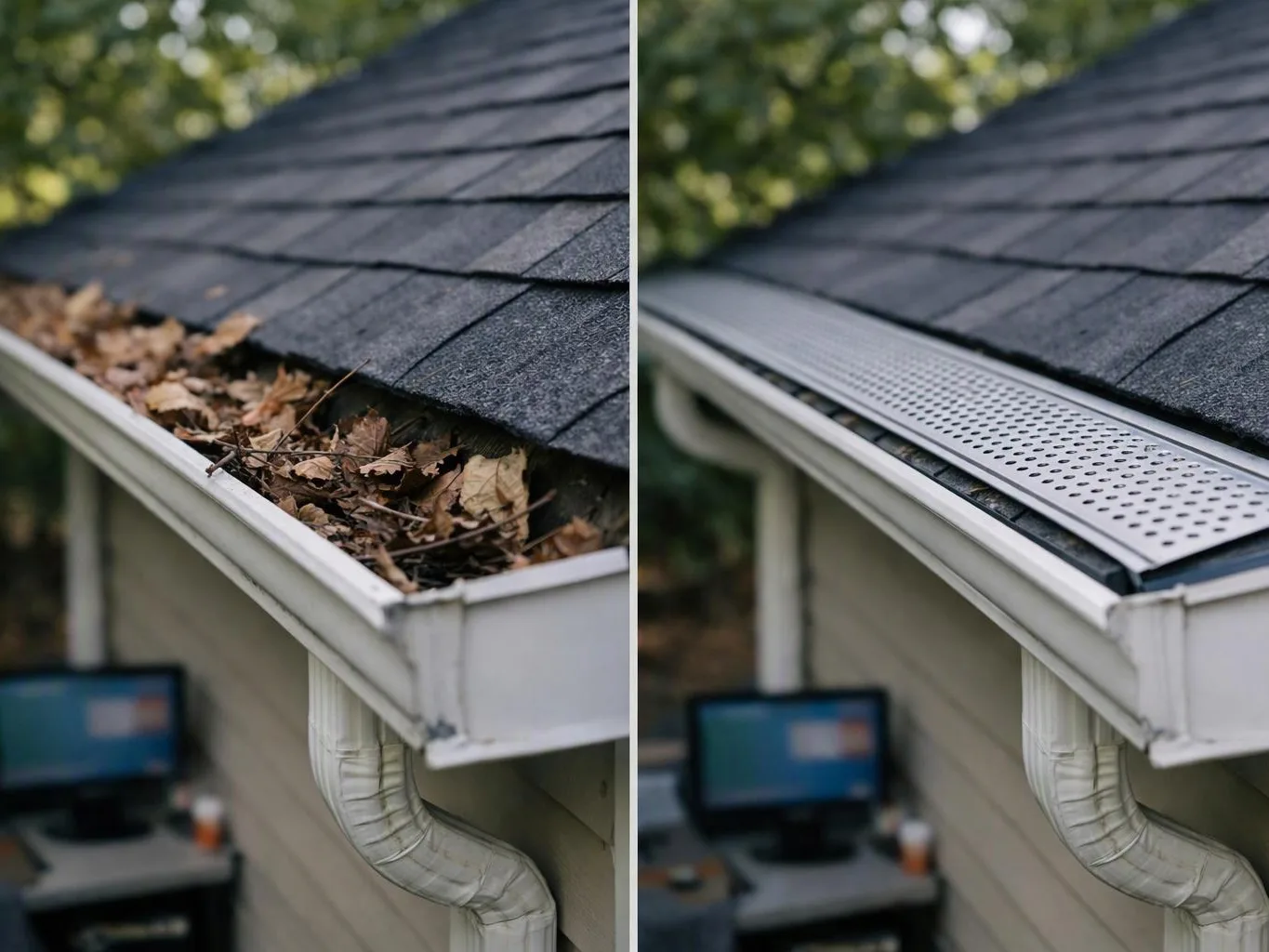
Maintenance is another key consideration in Arkansas. The frequent rainfall and high humidity can lead to debris buildup in gutters, which can cause blockages and water damage. Regular cleaning and inspection are necessary to keep the system functioning efficiently. Understanding how the climate affects gutter performance helps homeowners in Arkansas take proactive steps to protect their homes.
Excellent Choices for Gutter Installation in Arkansas
Choosing the ideal materials for gutter installation in Arkansas is important for extended effectiveness. The region's weather, with its regular precipitation and increased dampness, demands options that are both strong and resistant to climatic wear. Aluminum is a common option due to its small nature and protection to rust. It is also fairly easy to install and care for, making it a feasible option for many property owners.
Plastic gutters are another common resource used in Arkansas. They are cost-effective and require limited service, making them suitable for homeowners desiring for a affordable answer. However, they may not be as strong as other materials in areas with extreme environment conditions.
For residences in Jonesboro and surrounding places, materials like metal or copper may also be considered. Iron gutters offer superb strength and toughness, while copper supplies a attractive and permanent selection. However, these options can be significantly expensive and may need expert setup. Selecting the proper substance bases on the specific requirements of the house and the area climate.
Expense of Gutter Installation in Arkansas
The price of gutter installation in Arkansas may fluctuate based on several factors, like the kind of materials used, the size of the home, and the complexity of the setup. In Jonesboro, for instance, the average cost for gutter setup spans from $500 to $1,500. This interval can be impacted by the type of gutters selected and whether the installation is done by a expert or a DIY technique.
In towns like Little Rock and Fort Smith, homeowners commonly discover that the expense of fitting is influenced by local work costs and component supply. Continuous gutters, which are tailored to the property, might price higher than sectional gutters because of the additional staff involved. However, the long-term perks of unbroken gutters, like reduced seepage and service, might result in them a meaningful investment.
When reviewing the expense of gutter installation, it's also important to consider likely savings from less liquid harm. A well-installed gutter unit can prevent high repairs to the home's support, ceiling, and landscaping. Understanding the regional pricing movements in Arkansas helps property owners make well-informed decisions that match with their budget and sustained targets.
Stages Involved in Experienced Gutter Installation
Professional gutter installation involves a series of steps to ensure that the installation is correctly installed and functions efficiently. The first step is a site assessment, where a contractor assesses the home's roofline, existing gutters, and drainage installation. This helps determine the best approach for installation and any necessary repairs.
Next, the contractor will measure the home to determine the size and type of gutters required. This step is critical for ensuring that the gutters are custom-fitted to the property, reducing the risk of leaks and overflow. In Jonesboro, for example, the installation process may involve additional considerations due to the local climate and weather patterns.
Once the measurements are complete, the contractor will install the gutters, securing them to the fascia board and ensuring proper slope for water flow. Downspouts are then added to direct water away from the home. Finally, a thorough inspection is conducted to check for any issues and ensure that the system is functioning as intended. Following these steps helps ensure a durable and effective gutter system that protects the home from water damage. https://agmguttershorsehoebend.com/services/seamless-gutter-installation/
Building Regulations for Gutters in Arkansas
Building codes for gutters in Arkansas are designed to ensure that all installations meet safety and operation requirements. These codes vary by city, with exact regulations in places like Little Rock, Fayetteville, and Springdale. For example, some areas may require gutters to be installed at a certain slope to ensure appropriate water flow. Others may have specific needs for the type of materials used or the placement of downspouts.
In Jonesboro, property owners must be aware of local building codes to ensure that their gutter installation complies with all regulations. These codes are in place to prevent issues such as water damage, structural problems, and safety hazards. Understanding and following these regulations is essential for a successful installation.
Local contractors, such as AGM Gutters, are familiar with the specific building codes in Arkansas and can help homeowners navigate the requirements. By working with a professional, homeowners can ensure that their gutter installation meets all local standards and provides long-term protection for their home.
Signs Your Gutters Need Repair in Arkansas
Homeowners in Arkansas should be aware of the signals that indicate their gutters may require repair. One of the most frequent signals is water pooling around the foundation of the residence. This can lead to basement flooding and structural damage if left unchecked. Another sign is sagging or pulling away from the house, which can indicate that the gutters are not properly secured.
In Jonesboro and other areas with heavy rainfall, clogged gutters can be a major issue. Debris buildup can stop water from flowing properly, leading to overflow and possible wear to the roof and walls. Routine evaluations and cleaning can help avoid these troubles, but if damage is already present, qualified repair is necessary.
Another sign that gutters may need repair is water stains or mold on the exterior walls of the property. This can indicate that water is not being appropriately directed away from the house. Addressing these concerns right away can help prevent further damage and reduce the need for costly repairs in the future.
Tips for Finding the Best Price in Arkansas
Finding the best price for gutter installation in Arkansas requires careful planning and research. One of the most effective strategies is to get multiple quotes from local contractors. This allows homeowners to compare prices and services, ensuring they get the best value for their money. In cities like Little Rock and Fort Smith, homeowners often find that local contractors offer competitive pricing and personalized service.
Another tip is to consider the timing of the installation. Installing gutters during the off-peak season, such as late fall or early spring, can sometimes result in lower costs. Contractors may offer discounts to fill their schedules during slower periods. This can be a great opportunity for homeowners to save money without compromising on quality.
Additionally, homeowners should look for contractors who offer transparent pricing and no hidden fees. A reputable contractor, such as AGM Gutters, will provide a clear breakdown of costs and ensure that all work is completed to the highest standards. By following these tips, homeowners in Arkansas can find the best price for gutter installation while ensuring their home is properly protected.
Gutter Servicing in Arkansas: How Frequently to Clean
Regular servicing is vital for keeping gutters in good condition, specifically in Arkansas. The state's regular rainfall and high humidity mean that gutters can promptly become clogged with leaves, twigs, and other debris. This can lead to water overflow, which can wear the property's foundation, roof, and landscaping.
In Jonesboro and other areas, it is recommended to clean gutters at least twice a year—once in the spring and once in the fall. This helps remove debris that has accumulated over the seasons and ensures that the setup is functioning appropriately. Residents should also examine their gutters after heavy storms to review for any harm or blockages.
In addition to cleaning, consistent maintenance includes checking for leaks, ensuring that downspouts are properly positioned, and verifying that the gutters are securely attached to the home. By following a consistent maintenance schedule, homeowners can extend the lifespan of their gutter system and avoid costly repairs in the future.
What are the most common types of gutters used in Arkansas?
In Arkansas, the most common types of gutters are sectional and continuous gutters. Sectional gutters are made up of multiple pieces that are connected together, while unbroken gutters are custom-fitted to the home, reducing the risk of leaks. These options are popular due to their durability and ability to handle the region's weather conditions.
How do climate conditions in Arkansas affect gutter installation?
The climate in Arkansas, with its frequent rainfall and high humidity, plays a significant role in gutter installation. The installation process must account for the local weather patterns, ensuring that gutters are properly sloped and positioned to direct water away from the home. This helps prevent issues such as water damage and structural problems.
What materials are best suited for Arkansas weather?
For Arkansas weather, materials like gutter metal and polyethylene are often recommended. Steel is durable and resistant to rust, while polyethylene is cost-effective and requires minimal maintenance. These materials are well-suited for the region's climate and can provide long-lasting performance.
What is the average expense of gutter installation in Arkansas?
The usual cost of gutter installation in Arkansas differs depending on the variety of materials used and the size of the home. In cities like Jonesboro, the average expense varies from $500 to $1,500. This can be influenced by area work rates and the difficulty of the setup.
What are the processes involved in professional gutter installation?
Professional gutter setup involves several processes, including a area review, gauging the home, installing the gutters, and adding drainpipes. A thorough inspection is conducted to guarantee the system is functioning correctly and meets all safety requirements.