

Recognizing the Basics of Gutter Installation Contracts
When it comes to gutter installation in Arkansas, a well-drafted contract is essential for safeguarding both the resident and the contractor. A gutter installation contract outlines the terms of the agreement, including the scope of work, materials to be used, and the responsibilities of each party. For a property owner, this document serves as a legal safeguard and a clear roadmap for the project.
Arkansas has its own set of local regulations and building codes that must be followed during any residence improvement project, including gutter installation. This means that the contract should reflect these standards to confirm compliance. A qualified contractor will know the importance of including all necessary details, from the installation procedure to liability clauses.
Homeowners in Arkansas should be aware that the contract should clearly define the timeline for the project, the payment plan, and any warranties that come with the installation. It is also important to note that the contract should not be a generic template but should be tailored to the exact calls for of the building and the local environment.
In Arkansas, the installation process can vary depending on the type of home and the climate conditions. A good contract will account for these variables and provide a clear understanding of what to expect. This is especially important in areas like Little Rock, where heavy rainfall can impact the performance of gutters.
A well-structured contract ensures that both the homeowner and the contractor are on the same page. It helps prevent misunderstandings and provides a reference point in case of disputes. For this reason, it is crucial to review the contract carefully and ask questions if anything is unclear.
Key Elements of a Gutter Installation Contract in Arkansas
A comprehensive gutter installation contract in Arkansas should cover several key components to ensure a smooth and successful project. One of the most important aspects is the contract parameters, which include the scope of work, payment terms, and project timeline. These details help set clear expectations and prevent confusion later on.
The installation process is another critical component of the contract. It should outline the steps involved in the installation, from the initial assessment to the final cleanup. This helps the homeowner understand what to expect and ensures that the contractor follows a standardized procedure. In Arkansas, where weather conditions can vary, the installation procedure must be adaptable to local challenges.
Liability is a key concern for both the homeowner and the contractor. The contract should clearly define who is responsible for any damages that may occur during the installation. This includes damage to the property, injuries, or issues related to the materials used. In Arkansas, where storm damage can be a concern, it is essential to address liability in the contract.
Another important element is the materials and products used in the installation. The contract should specify the type of materials, such as aluminum or steel, and any guarantees that come with them. This ensures that the homeowner knows exactly what they are getting and can make an informed choice.
The contract should also include information about the cost of the installation. This includes the total price, payment schedule, and any additional fees that may apply. Transparency in cost is crucial to avoid surprises and ensure that the homeowner is fully aware of the financial obligation.
Finally, the contract should outline the maintenance and warranty details. This includes the duration of the warranty, what it covers, and any conditions that may void the warranty. In Arkansas, where weather conditions can impact the performance of gutters, a solid warranty is essential for long-term protection.
Products and Products Addressed in the Contract
When assessing a gutter project contract in Arkansas, it is essential to pay careful attention to the supplies and items that will be used. The contract should clearly specify the type of supplies, such as alloy or steel, and the quality of those materials. https://carr-lindgaard-4.thoughtlanes.net/a-complete-guide-to-9-how-to-prevent-clogs-in-your-gutter-system-2026 This provides that the property owner knows exactly what to expect and can make an informed choice.
Aluminum is a popular selection for gutters in Arkansas due to its sturdiness and rejection to rust. It is lightweight and simple to set up, making it a suitable option for many homeowners. Metal gutters, on the other hand, are famous for their strength and durability. They are frequently used in areas with strong precipitation, such as Little Rock and Fort Smith, where the chance of storm damage is greater.
The contract should furthermore mention the variety of water channels that will be employed, as well as any add-ons such as debris covers or splash pieces. These parts have a crucial function in the entire functionality of the gutter system. In Arkansas, where heavy rain is common, it is crucial to ensure that the components and goods utilized are built to handle the area weather.
Another consideration is the manufacturer of the supplies. The contract should add details about the manufacturer and any assurances that come with the items. This supports the resident grasp the level of help they can look forward to if any challenges occur. In places like Fayetteville, where local building codes may have particular requirements, the materials employed must comply with those standards.
In moreover to the materials, the contract should outline the project process for each part. This covers how the gutters will be fastened to the residence, the type of fasteners employed, and any covering approaches. These details are important for ensuring that the project is executed properly and that the setup works as planned.
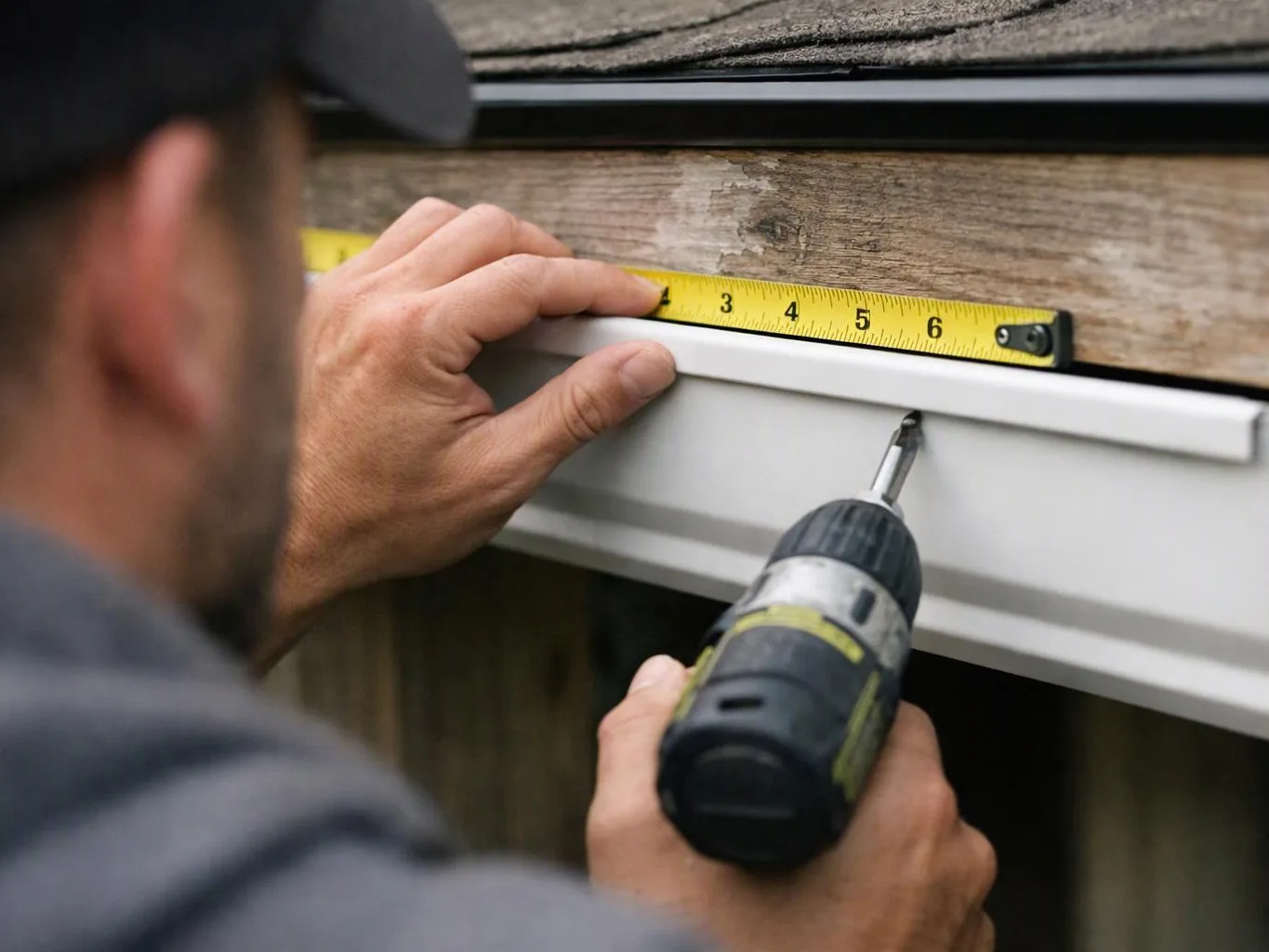
The contract should as well deal with any potential issues related to the components. For instance, if the materials are found to be imperfect, the contract should detail the actions that will be executed to fix the issue. This provides the property owner with serenity of conscience and ensures that any issues are handled promptly.
Finally, the contract should include a section on care and maintenance for the materials. This helps the homeowner grasp how to properly look after their gutters and extend their service life. In Arkansas, where atmospheric conditions can be unpredictable, ongoing care is essential for keeping the gutter system in functional state.
Warranties and Guarantees in Arkansas Contracts
Warranties and guarantees are an important part of any gutter setup contract in Arkansas. These provisions guard the homeowner and ensure that the installation meets the expected criteria. A good contract will explicitly detail the terms of the warranty, including the duration, what it provides, and any rules that may cancel the warranty.
The warranty for the gutter system typically provides both the supplies and the setup. This means that if there are any flaws in the materials or issues with the installation, the contractor is accountable for addressing them. In Arkansas, where hurricane damage can be a concern, it is important to have a warranty that provides these kinds of problems.
The supplier’s warranty is another important component of the contract. This warranty is offered by the company that manufactures the gutter supplies and covers any flaws in the item. The contract should include data about the manufacturer’s warranty, including how to submit a request and what evidence is needed. This ensures that the homeowner knows their choices if any issues arise.
In relation to the manufacturer’s warranty, the setup warranty is similarly crucial. This warranty includes the skill and confirms that the installation is executed correctly. The contract should define the length of the installation warranty and what it includes. For example, if the gutters commence to seep or get loose, the contractor is obliged for repairing the challenge within the warranty duration. https://md.interhacker.space/xAx7bGUTRHepmwZV4aGW6g
The contract should also discuss any rules that may cancel the warranty. This includes things like inadequate care, damage caused by external parties, or modifications made to the gutter system without the contractor’s consent. These requirements help protect the contractor while still offering the homeowner with a explicit knowledge of the warranty terms.
Another critical aspect of the contract is the method for making a warranty claim. The contract should describe the actions the homeowner needs to take if they face an difficulty included by the warranty. This involves reaching out to the contractor, submitting proof, and following any unique steps. In Arkansas, where weather might be uncertain, having a explicit procedure for warranty applications is crucial.
The contract should also mention any restrictions of the warranty. This consists of things like the exclusion of specific categories of damage or the need for frequent care. These constraints support set explicit standards and ensure that both the homeowner and the contractor comprehend the extent of the warranty.
Finally, the contract should include a part on the duties of the homeowner concerning the warranty. This includes maintaining the gutter unit, following the company’s instructions, and informing any problems immediately. In Arkansas, where climate might affect the performance of gutters, ongoing care is essential for maintaining the warranty active.
How Arkansas Climate Impacts Gutter Installation Contracts
The weather in Arkansas plays a major role in the planning and implementation of gutter deployment contracts. The state faces a broad range of conditions, from intense precipitation in cities like Little Rock to periodic gales in areas such as Fort Smith. These situations can impact the functionality of gutters and must be thoroughly taken into account when creating a contract.
Strong precipitation is a regular phenomenon in Arkansas, especially in the spring and second half months. This implies that the gutter installation must be planned to handle big amounts of water. The contract should define the kind of gutters and water channels that will be used, as well as the size and placement of the installation. In regions like Fayetteville, where downpours can be intense, it is crucial to ensure that the gutter system is capable of controlling the water current.
Gale harm is another factor that must be addressed in gutter setup contracts. Arkansas is prone to serious conditions events, including thunderstorms and cyclones. These situations can result in damage to gutters and downspouts, causing to leaks and liquid harm. The contract should contain provisions for handling gale damage, including the steps the contractor will take to repair or exchange any damaged components.
The setup process must also consider for the regional weather. For instance, in regions with increased humidity, the materials applied must be resistant to oxidation and decay. This is particularly important for aluminum and iron gutters, which are often employed in Arkansas. The contract should detail the variety of materials and their appropriateness for the local weather.
Another consideration is the scheduling of the setup. In Arkansas, it is frequently recommended to plan gutter installation during the early season or initial hot season when the climate is higher stable. This supports guarantee that the deployment is completed without the possibility of precipitation or tempests. The contract should outline the projected schedule and any possible holdups due to climate situations.
The contract should also address the maintenance of the gutter system. In Arkansas, where weather conditions can be unpredictable, frequent maintenance is critical for keeping the system in good working order. The contract should include a maintenance schedule and any recommendations for cleaning or inspecting the gutters.
Finally, the contract should include provisions for handling any issues that arise due to the local climate. This includes the steps the contractor will take to address problems caused by heavy rainfall or storm damage. In Arkansas, where the climate can be challenging, having a clear plan for dealing with these issues is essential.
Local Building Codes and Regulations in Arkansas
Local structural codes in Arkansas fulfill a crucial function in making sure that gutter setups are protected, efficient, and compliant with provincial and municipal standards. These regulations change by municipality and must be adhered to to avoid legal problems and make sure the longevity of the gutter system.
In cities like Little Rock and Fort Smith, particular construction codes are in effect to gutter deployment. These regulations could involve standards for the dimension and variety of gutters, the position of downspouts, and the supplies used. The contract should explicitly outline these standards to ensure that the setup satisfies all essential standards.
Permits are a further critical component of gutter installation in Arkansas. In some cities, a license may be required prior to the setup can begin. The contract should include data about the authorization process and any connected costs. This assists the residential owner understand the judicial guidelines and guarantees that the endeavor is carried out adequately.
The contract should as well cover the regional rules related to stormwater management. In zones like Fayetteville, where heavy downpour is typical, the gutter setup must be engineered to deal with significant volumes of fluid. This might include extra components such as water reservoirs or runoff systems. The contract should detail these requirements and ensure that the setup satisfies regional guidelines.
Another important consideration is the type of materials utilized in the setup. Municipal rules may define the varieties of resources that are approved for use in gutter systems. For case, some towns may require the application of anti-corrosive materials to ensure the durability of the setup. The contract should include this details to prevent any issues with adherence.
The deployment method must also adhere to municipal rules. This includes the technique of attaching the gutters to the residence, the variety of clamps utilized, and the sealing techniques. These details are critical for ensuring that the installation is executed correctly and meets all essential criteria.
Finally, the contract should include a section on the duties of the homeowner regarding adherence with regional ordinances. This includes maintaining the gutter unit, following with the vendor’s guidelines, and alerting any problems without delay. In Arkansas, where local ordinances can change, it is essential to have a distinct knowledge of the criteria.
Common Errors to Prevent in Gutter mounting Contracts
When reviewing a gutter mounting contract in Arkansas, it is essential to be informed of common errors that can lead to problems down the line. One of the most common issues is not including all essential details in the contract. A carefully prepared contract should cover the work details, materials utilized, payment terms, and any guarantees. Neglecting important data can lead to confusions and disputes.
Another common mistake is not verifying the qualifications of the professional. In Arkansas, it is important to confirm that the builder is authorized, protected, and skilled in gutter setup. A professional professional will have the necessary credentials and a established experience of positive setups. The contract should feature data about the professional’s background and any licenses they may possess.
Hidden fees are another issue that homeowners should be cautious of. Some contractors may include additional charges for things like permits, cleanup, or unexpected repairs. The contract should clearly outline all costs and any potential fees. This helps the homeowner avoid surprises and ensures that the total cost of the project is transparent.
Failing to address liability is another mistake that can have serious consequences. The contract should clearly define who is responsible for any damages that may occur during the installation. This includes wear to the building, injuries, or issues related to the materials used. In Arkansas, where storm damage can be a concern, it is crucial to address liability in the contract.
Another typical miscalculation is not adding a comprehensive care plan. Gutters require frequent maintenance to work effectively, and the contract should outline the actions the homeowner should take to ensure the system in optimal operational condition. This covers cleaning the gutters, inspecting for seepage, and addressing any concerns promptly. In Arkansas, where climatic conditions can be uncertain, ongoing maintenance is vital for keeping the gutter system in good shape.
Finally, homeowners should steer clear of signing a contract without comprehending the terms. It is vital to study the contract carefully and raise questions if anything is vague. If essential, getting legal advice can support ensure that the contract is just and guards the homeowner’s interests. In Arkansas, where local regulations can vary, having a understandable understanding of the contract is essential for a successful setup.
FAQ
What are the most common types of gutters used in Arkansas?
In Arkansas, the most common types of gutters are metal. These materials are chosen for their durability and ability to withstand the local climate. Steel gutters are compact and corrosion-resistant, making them a favored option. Metal gutters are known for their strength and are commonly applied in areas with heavy rainfall, such as Little Rock and Fort Smith. For dependable Gutter Installation in Arkansas in Arkansas, AGM Gutters provides expert advice.
How do climate conditions in Arkansas affect gutter installation?
The climate in Arkansas, which includes intense rain and seasonal storms, greatly influences gutter installation. The contract should outline the type of gutters and downspouts that will be used, as well as the measurements and placement of the system. In areas like Fayetteville, where rainfall can be heavy, it is crucial to verify that the gutter system is able to handle the water flow.
What materials are best suited for Arkansas weather?
Metal and metal are the best materials for gutter installation in Arkansas due to their durability and resistance to rust. These materials are suitable for the local climate, which includes intense rain and seasonal storms. The contract should provide details about the materials used and their relevance to the climate.
What is the typical cost of gutter installation in Arkansas?
The cost of gutter installation in Arkansas varies depending on the type of materials used, the measurements of the home, and the level of the installation. A thoroughly prepared contract should include a detailed cost breakdown, describing the total price, installment plan, and any extra charges. This promotes clarity and supports the client comprehend the financial responsibilities.
What are the steps involved in professional gutter installation?
Professional gutter installation in Arkansas generally includes several steps, including an preliminary evaluation of the home, the selection of materials, the setup procedure, and a last check. The contract should detail the process in the installation, including the timeline, payment schedule, and any warranties or guarantees. This ensures that both the homeowner and the contractor are aligned and that the work is done correctly.